
How to Choose the Perfect Plant for Your Home?
Considerations Based on Light Conditions, Humidity, and Style, as well as Ceramic Flowers as a Complement or Alternative
When it comes to decorating our homes, plants bring not only freshness but also a lively atmosphere. However, selecting the right plant requires considering a variety of practical factors, including light conditions, humidity levels, and the overall style of the space. If you're someone who struggles with plant care, ceramic flowers can offer a perfect alternative. Let's take a look at how to choose the most suitable plants for your home and how ceramic flowers fit into this.
1. Light Conditions: The Plant’s Need for Light
Light is one of the most important factors when choosing the right plant for your home. Different plants have different light needs, and it’s important to assess how much natural light is available in your home. Plants can thrive in direct sunlight, indirect light, or even low-light conditions.
-
Plants that require direct sunlight:
Plants like cacti, succulents, and lavender need plenty of sunlight. These should be placed in areas where they receive several hours of direct sunlight each day, such as south-facing windows.
-
Plants that tolerate indirect light:
Many houseplants, such as philodendrons, ferns, and African violets, do well in areas with indirect light, making them perfect for spaces where only filtered light is available.
-
Low-light plants:
Shade-loving plants, such as spider plants, snake plants, and peace lilies, thrive in low-light environments, ideal for areas with little natural light.
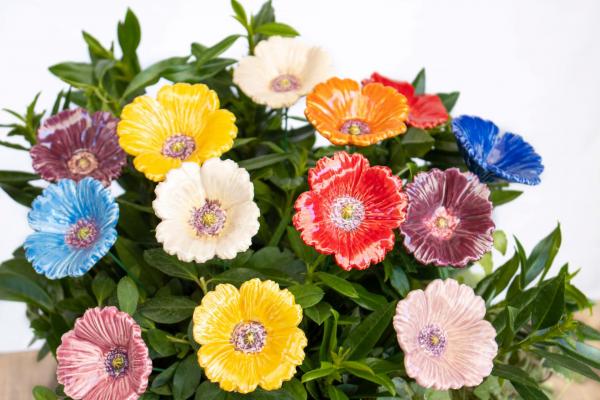
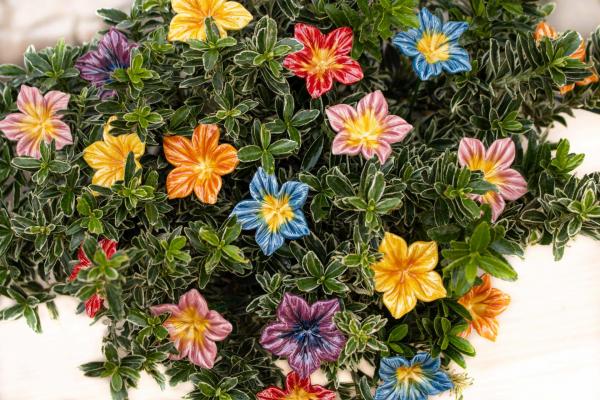
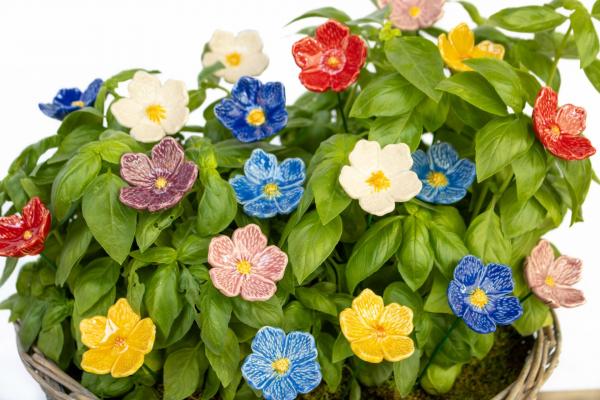
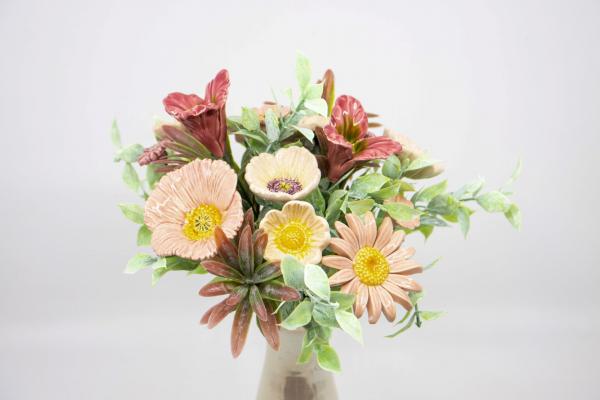
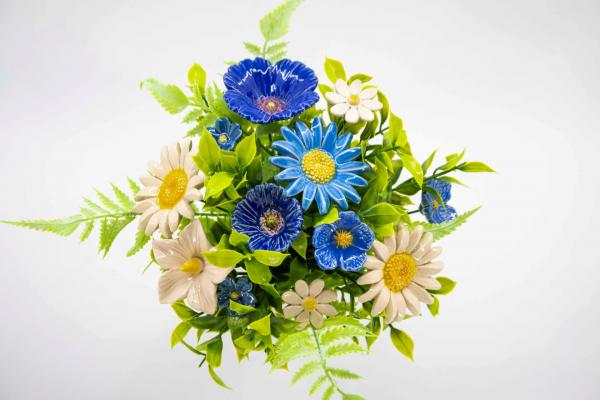
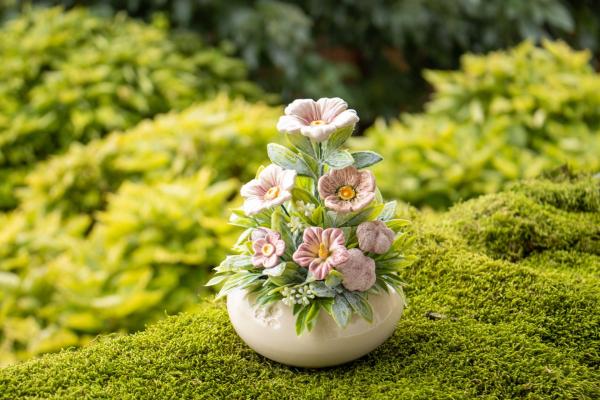
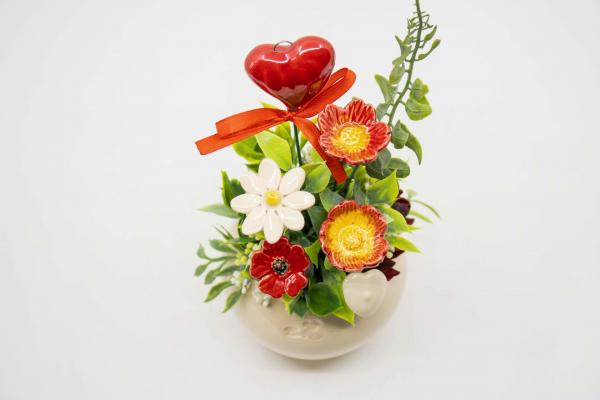
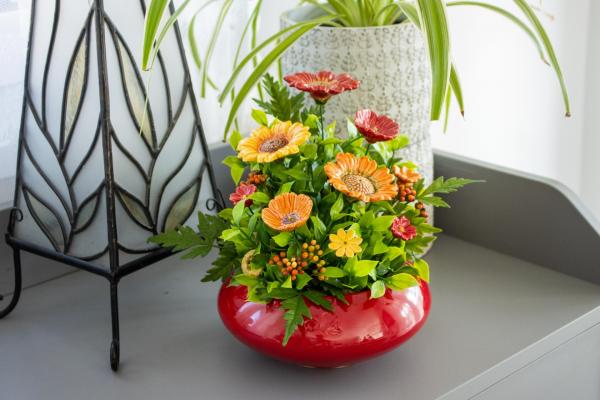
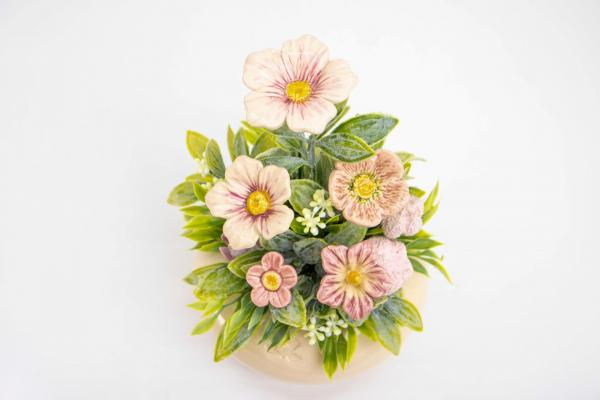
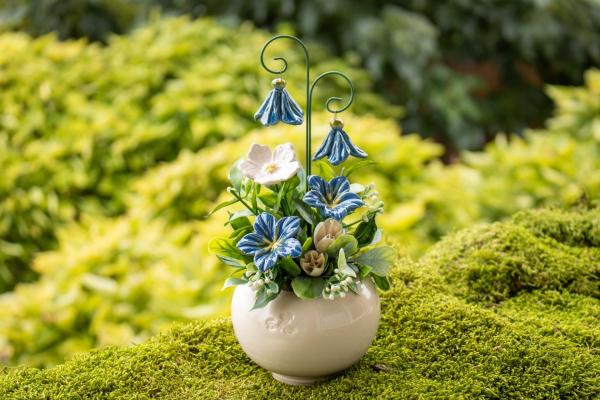
Ceramic Flowers as a Complement: If your home has limited natural light and you’re unable to choose plants that thrive in low light, The Ceramic Flowers offers a perfect alternative. These hand-crafted ceramic flowers do not require light to flourish, making them an ideal addition to any room, regardless of light conditions. Additionally, ceramic flowers seamlessly blend into any décor and require no maintenance.
2. Humidity: How Humidity Affects Plant Life
Humidity is another key factor to consider when selecting plants for your home. Low humidity, especially during the winter months when heating systems dry the air, can be problematic for some plants. On the other hand, high humidity levels can promote fungal diseases.
-
Plants that require high humidity:
Tropical plants like ferns, orchids, and banana plants thrive in humid environments and are best placed in areas with higher moisture levels.
-
Plants that tolerate low humidity:
Cacti, succulents, and other drought-tolerant plants do well in dry air and can survive in areas with low humidity levels.
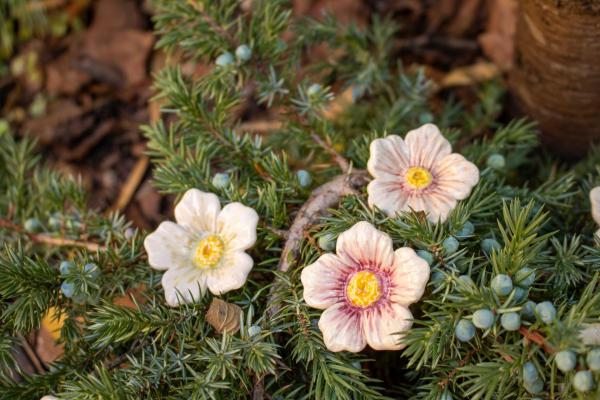
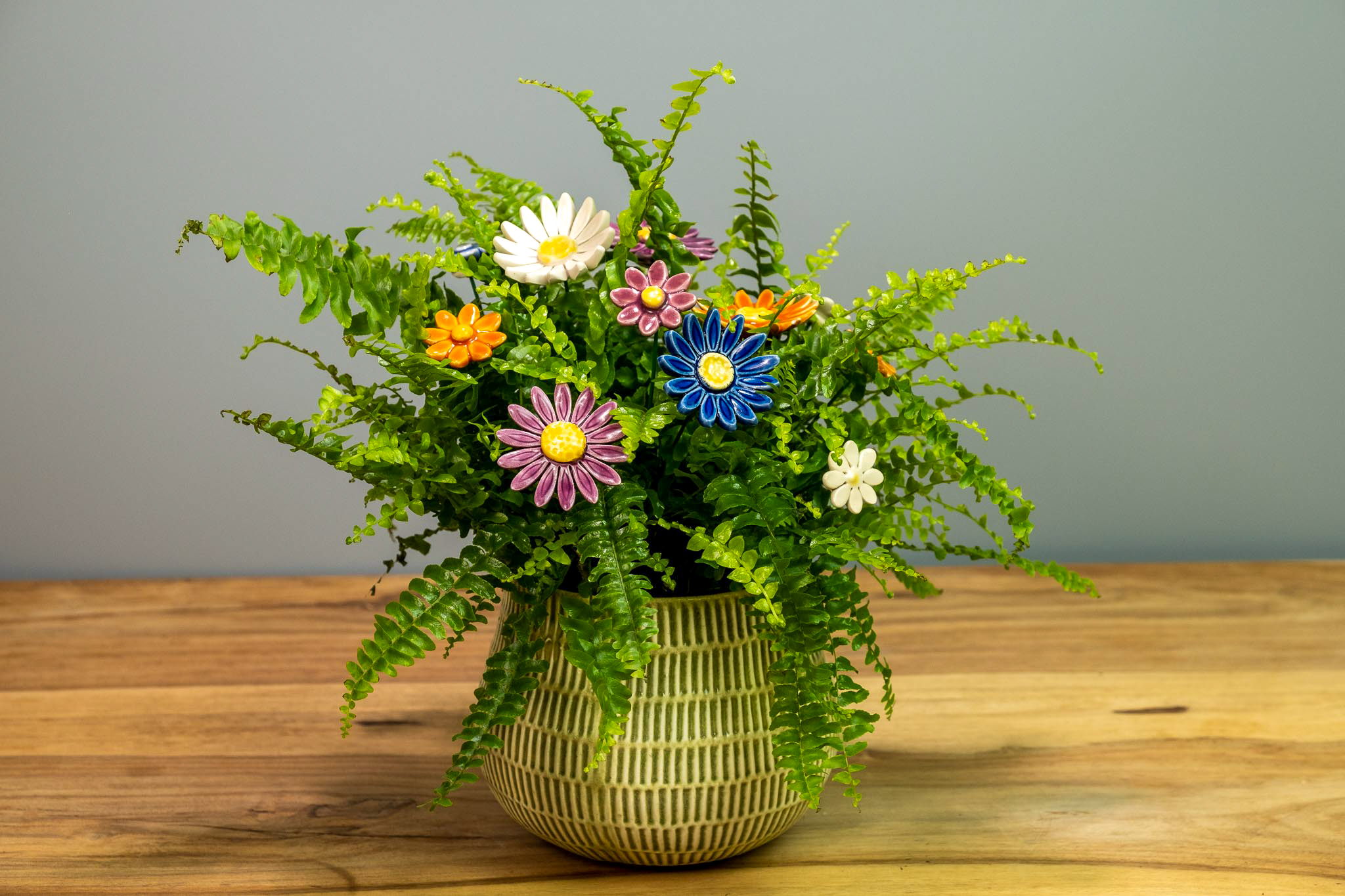
Ceramic Flowers as an Alternative: If your home’s humidity levels are not ideal for certain plants, The Ceramic Flowers offers a fantastic solution. Since ceramic flowers don’t require any moisture to thrive, they can be displayed in any environment, regardless of the air’s humidity. They add color and beauty to the room without impacting the room’s moisture levels.
3. Style: The Harmony Between Plants and Interior Design
Choosing plants for your home is not only about the plant’s needs but also about how well they complement the overall style of your space. Plants can enhance the aesthetic of your home when selected to match the décor.
-
Modern Interiors:
For a modern home, consider plants with clean lines, such as palm trees or snake plants, which are perfect for minimalist designs.
-
Rustic or Spacious Interiors:
Larger plants like ficuses, rubber plants, and banana trees work well in more spacious or rustic settings, where they can contribute to a natural, cozy atmosphere.
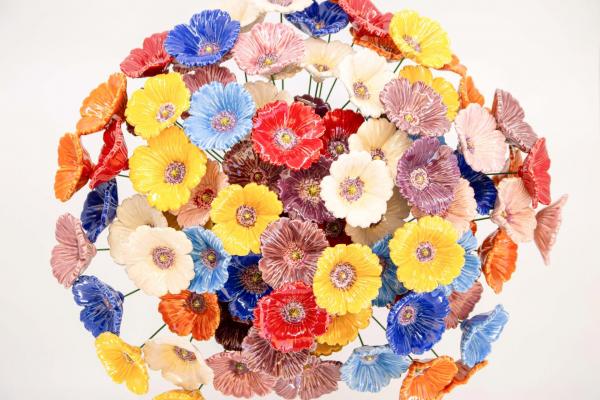
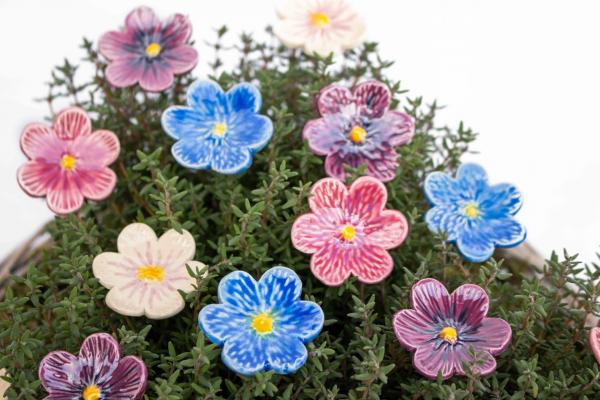
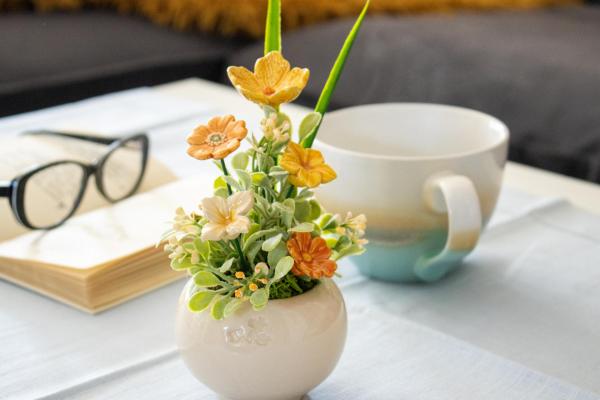
Ceramic Flowers as a Complement: If space is limited or you can’t find the perfect plant for your interior, The Ceramic Flowers can step in as a stylish complement to your décor. Ceramic flowers easily match any design and add an aesthetic touch to your home without taking up floor space. With a variety of colors and shapes, you can easily find a ceramic flower that suits your home’s style.
4. Plant Care: Time and Attention Requirements
Caring for plants requires daily attention, and not everyone has the time or inclination for this. If you love the look of plants but can’t commit to constant care, it’s wise to choose plants that require minimal maintenance.
-
Low-maintenance plants:
Aloe vera, succulents, and sansevieria are ideal for those who don’t want to spend too much time on plant care. These plants can thrive even with little attention, making them perfect for busy people.
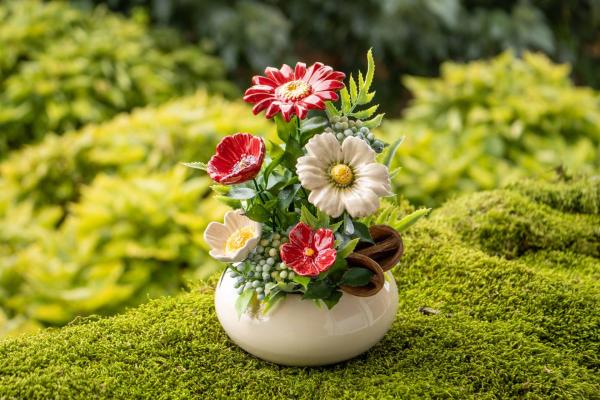
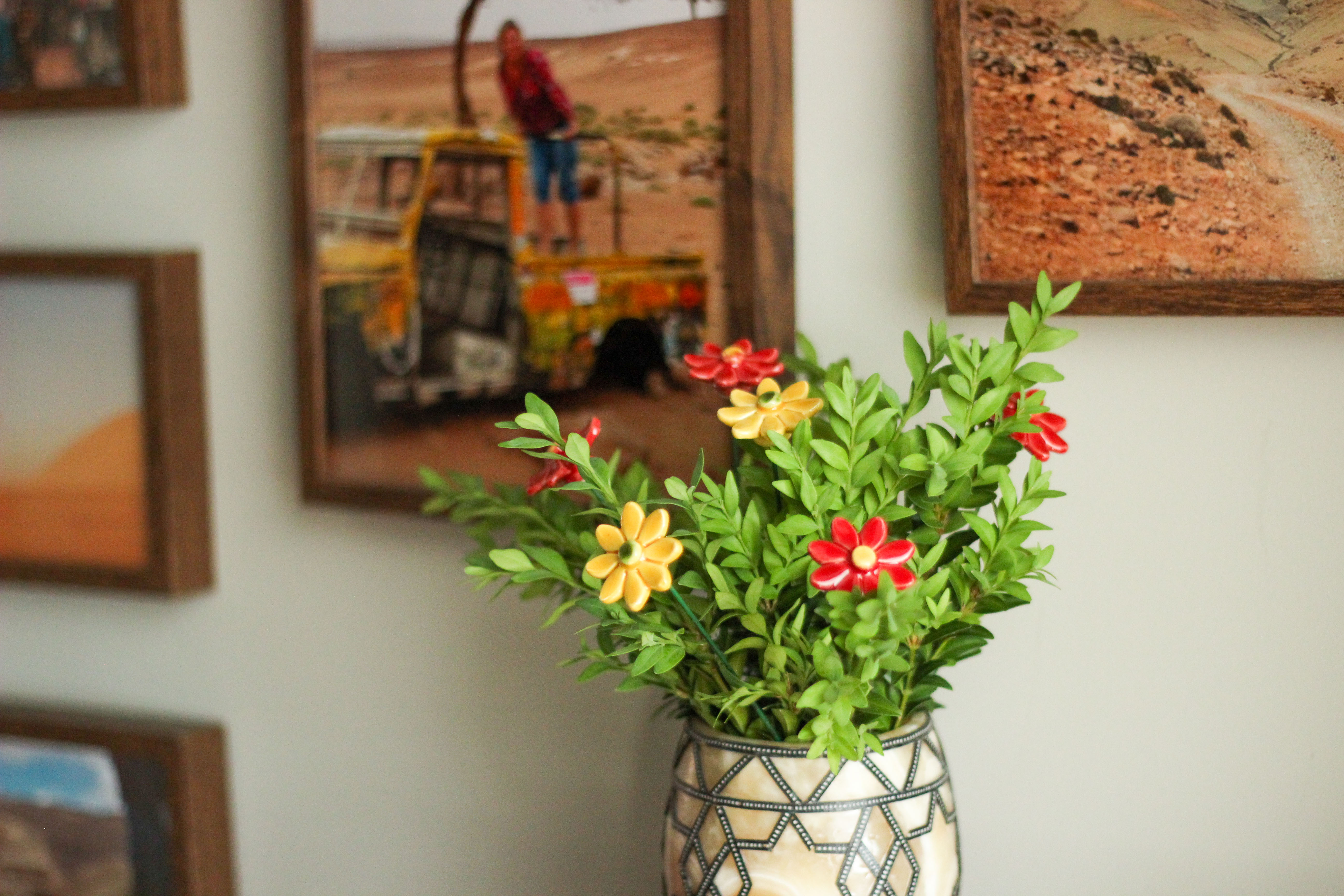
Ceramic Flowers as an Alternative: If you want the beauty of flowers without the commitment of plant care, The Ceramic Flowers is an excellent solution. These flowers require no maintenance while still bringing the beauty of fresh blooms into your home. They are also an ideal, durable gift for any occasion.
Ceramic Flowers as an Alternative: If you want the beauty of flowers without the commitment of plant care, The Ceramic Flowers is an excellent solution. These flowers require no maintenance while still bringing the beauty of fresh blooms into your home. They are also an ideal, durable gift for any occasion.