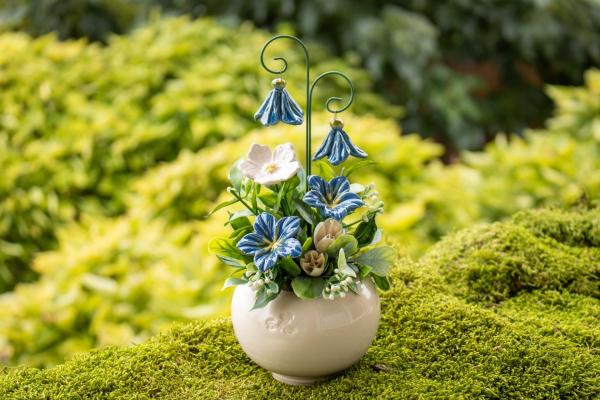

Combining Ceramic and Live Plants – Harmony and Creativity in One Arrangement
One of the most popular elements in home and office décor is the use of plants. Live plants bring life to a space, improve air quality, and create a sense of harmony. But what happens when there are gaps in an arrangement or you want to add something special? This is where the ceramic flowers offered by The Ceramic Flowers come in—they make perfect, long-lasting accents for any plant decoration.
In this blog post, we’ll show you how to use ceramic flowers alongside live plants and why combining the two is a great idea.
1. Why Use Ceramic Flowers?
Ceramic flowers offer several benefits that can be further enhanced when used with live plants.
Durability
While live plants may wilt over time or require care, ceramic flowers stay beautiful forever. They can become a lasting part of your décor.
Consistent Color and Shape
Live plants change with the seasons, but ceramic flowers maintain their shape and color, perfectly complementing your arrangement.
Low Maintenance
Ceramic flowers don’t need watering or special care, making them ideal for places where live plants are difficult to maintain.
2. How to Combine Ceramic and Live Flowers
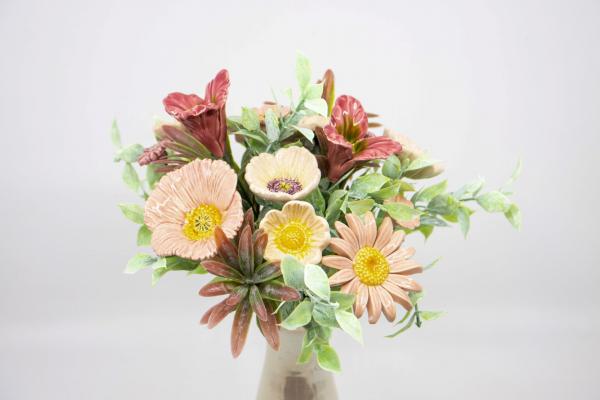
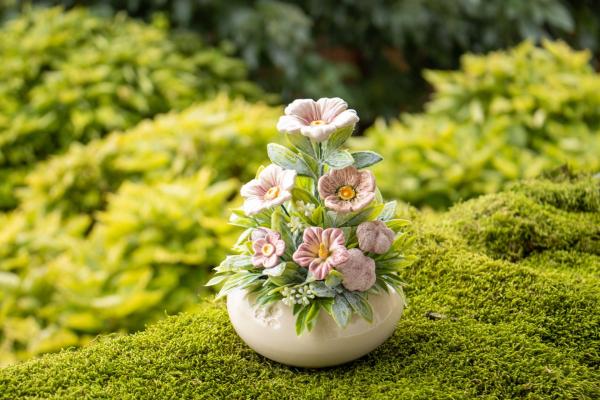
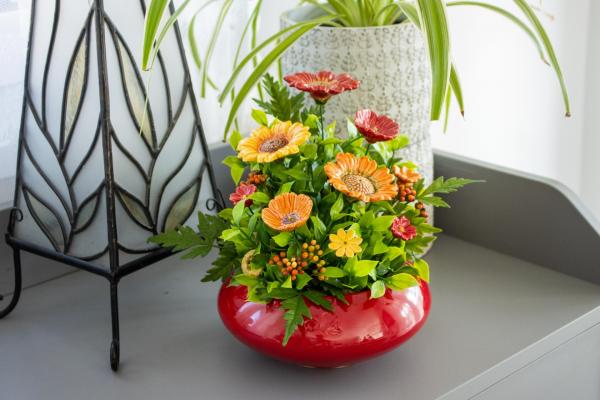
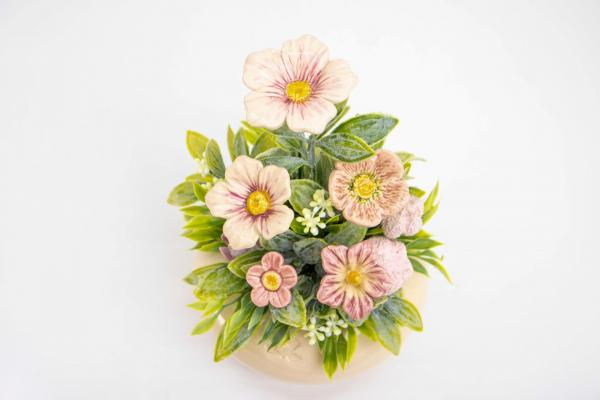
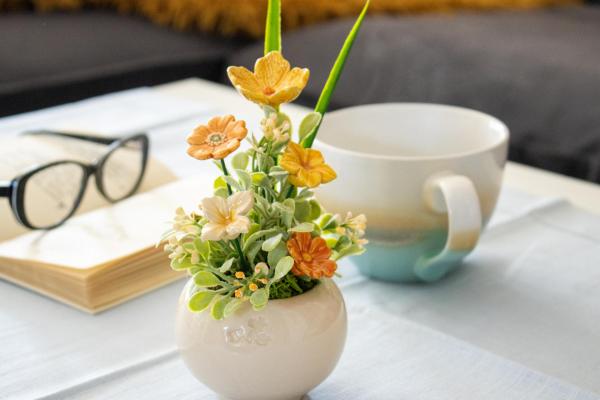
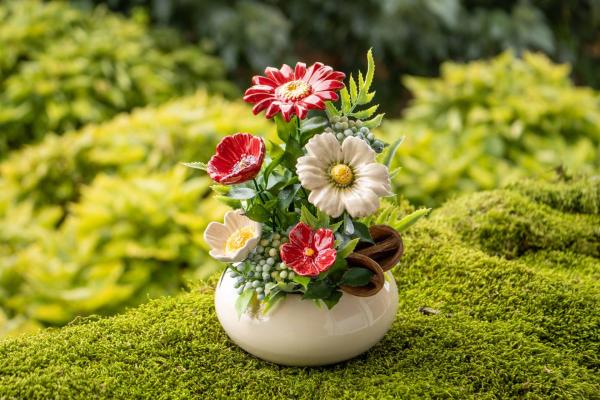
When used skillfully, the combination of ceramic and live plants creates a unique and eye-catching effect.
Color Harmony
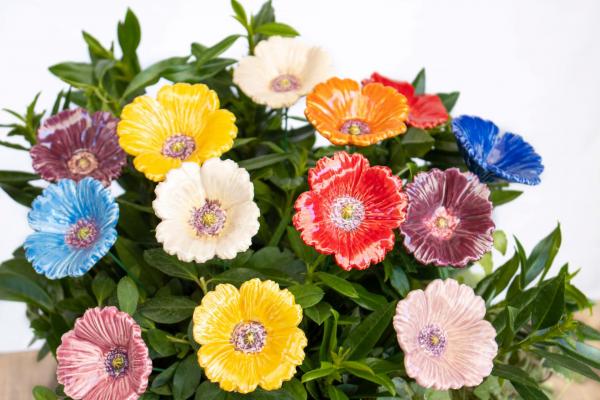
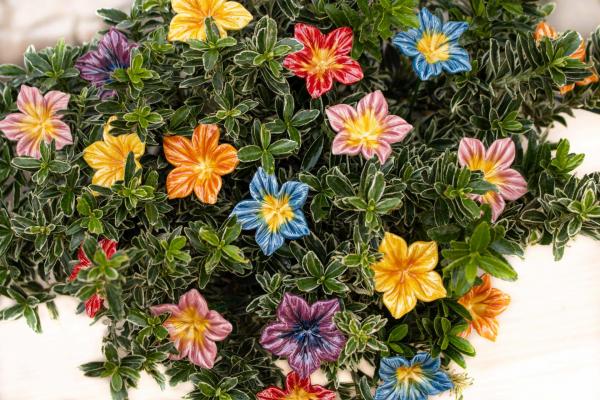
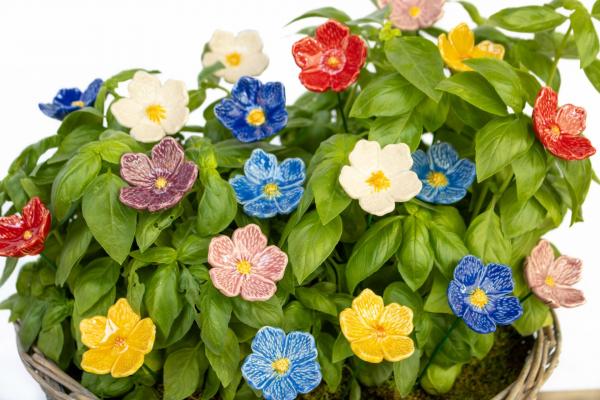
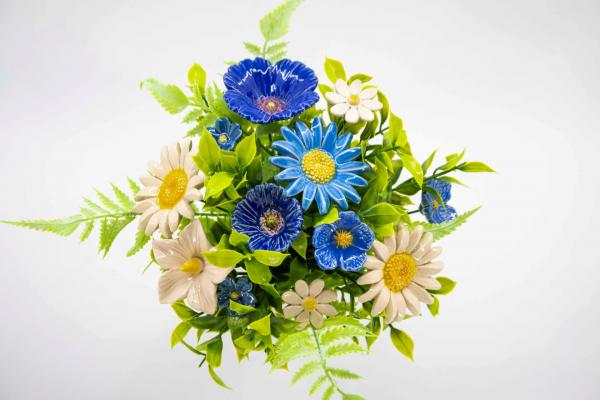
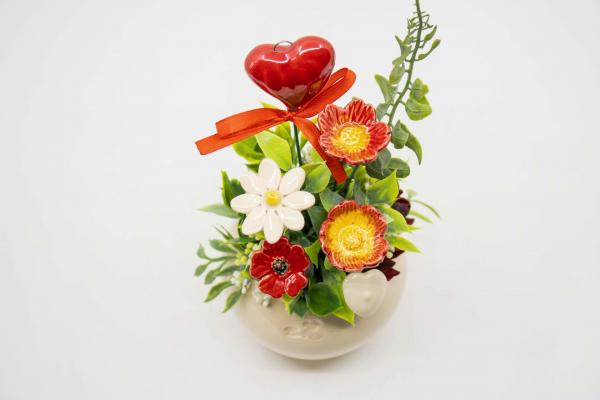
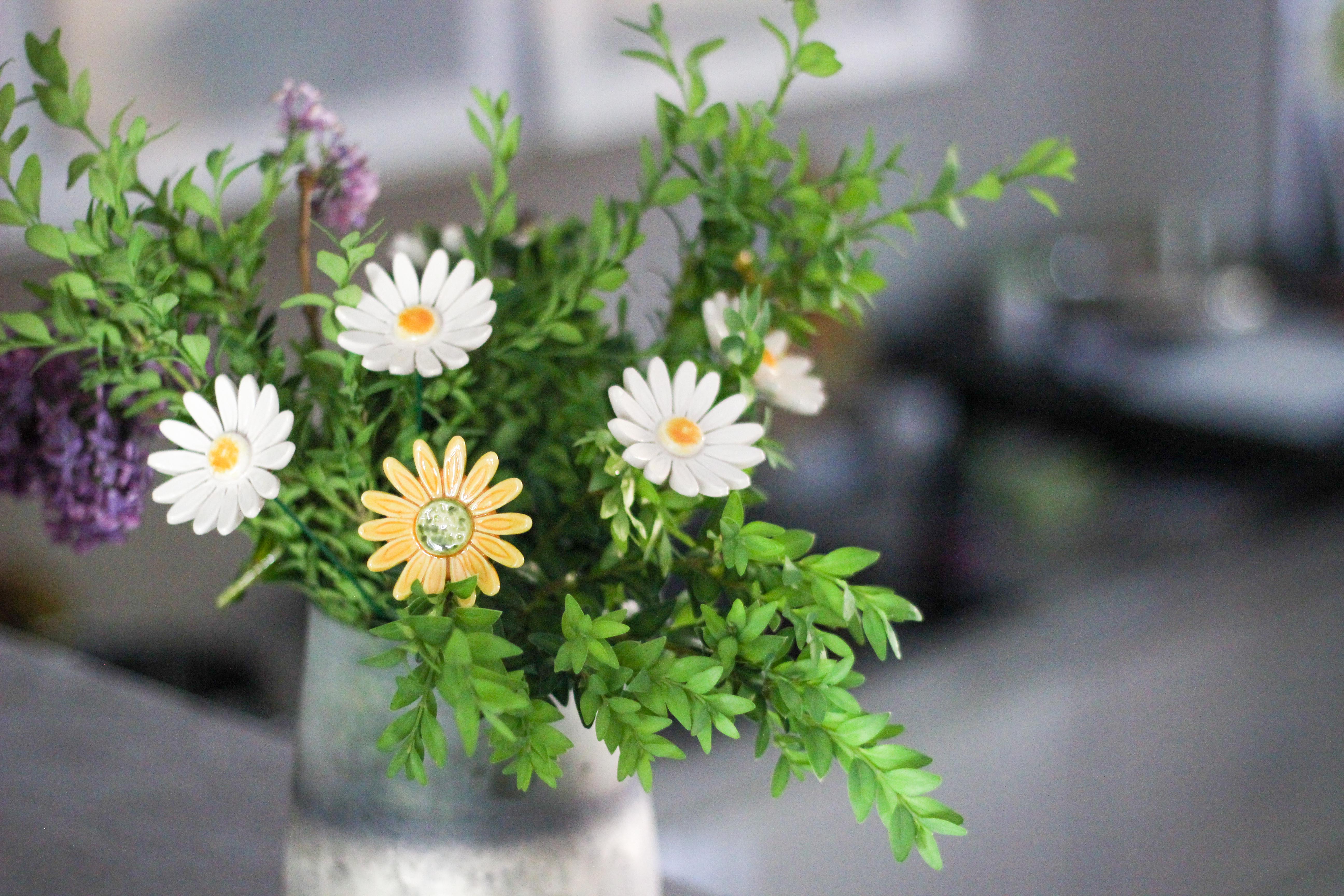
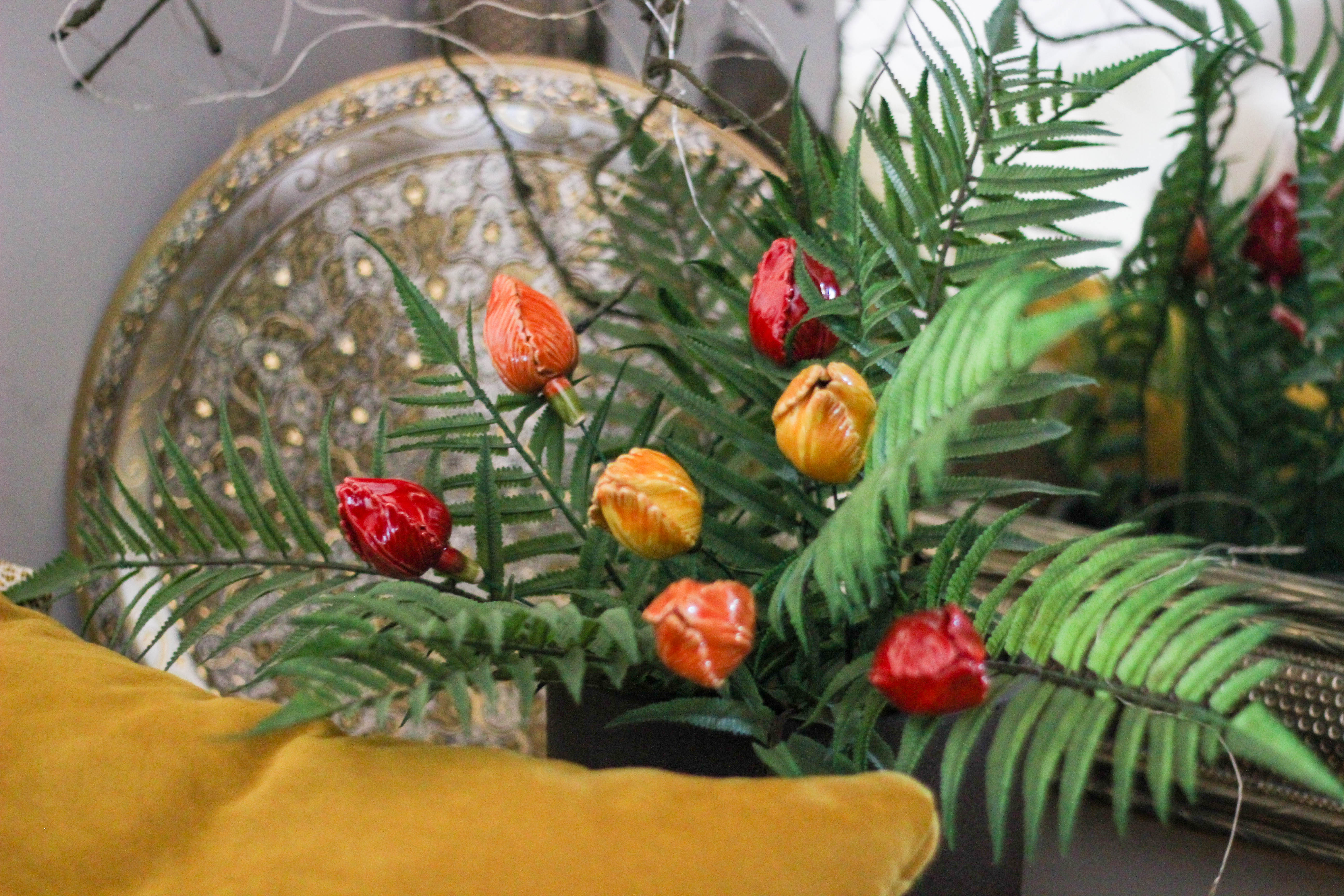
Playing with color is especially exciting. For example, place ceramic flowers in red, yellow, or blue next to vibrant green foliage for a bold contrast.
Mixing Textures
The soft, natural texture of live plants contrasts beautifully with the smooth, glossy surface of ceramic flowers. This adds visual interest to your decoration.
Seasonal Highlights
Add ceramic tulips or daffodils to a spring centerpiece, or include ceramic rosehips or amaryllis in a winter display.
3. Practical Advantages of Ceramic Flowers in Greenery
Filling Gaps
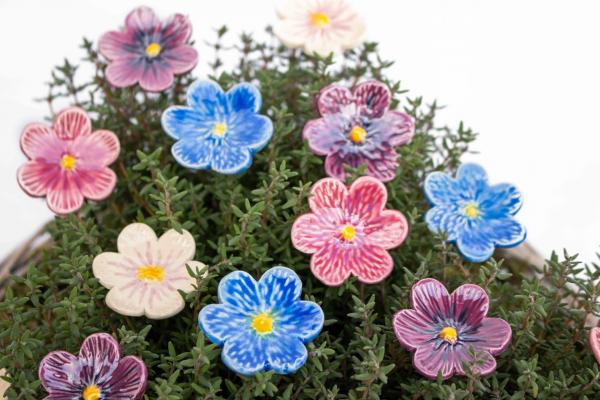
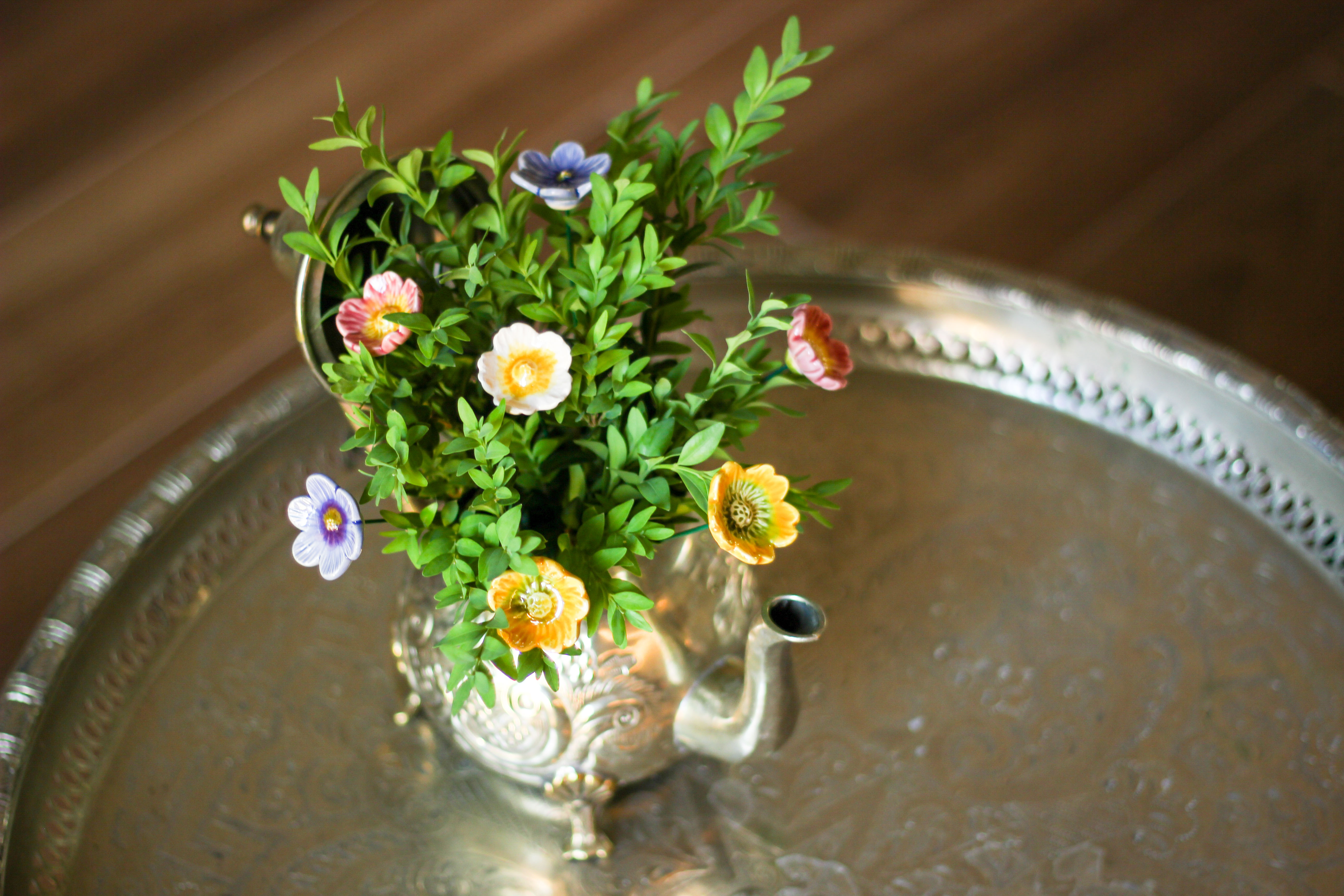
Sometimes there are awkward gaps between live plants that are hard to fill naturally. Ceramic flowers fill these spaces perfectly without overpowering the live greenery.
Stylistic Unity
If your live plants don’t match perfectly, ceramic flowers can bring visual cohesion—through shared color or shape.
Creative Arrangements
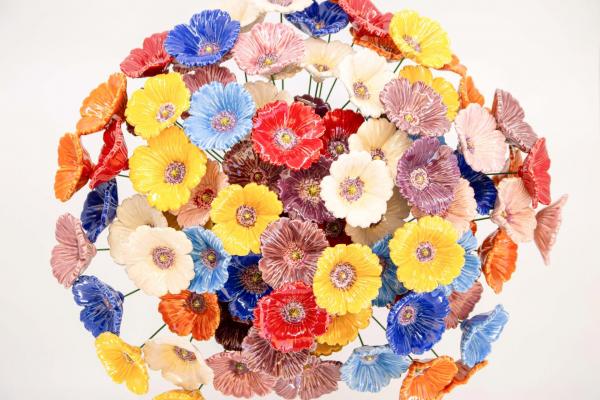
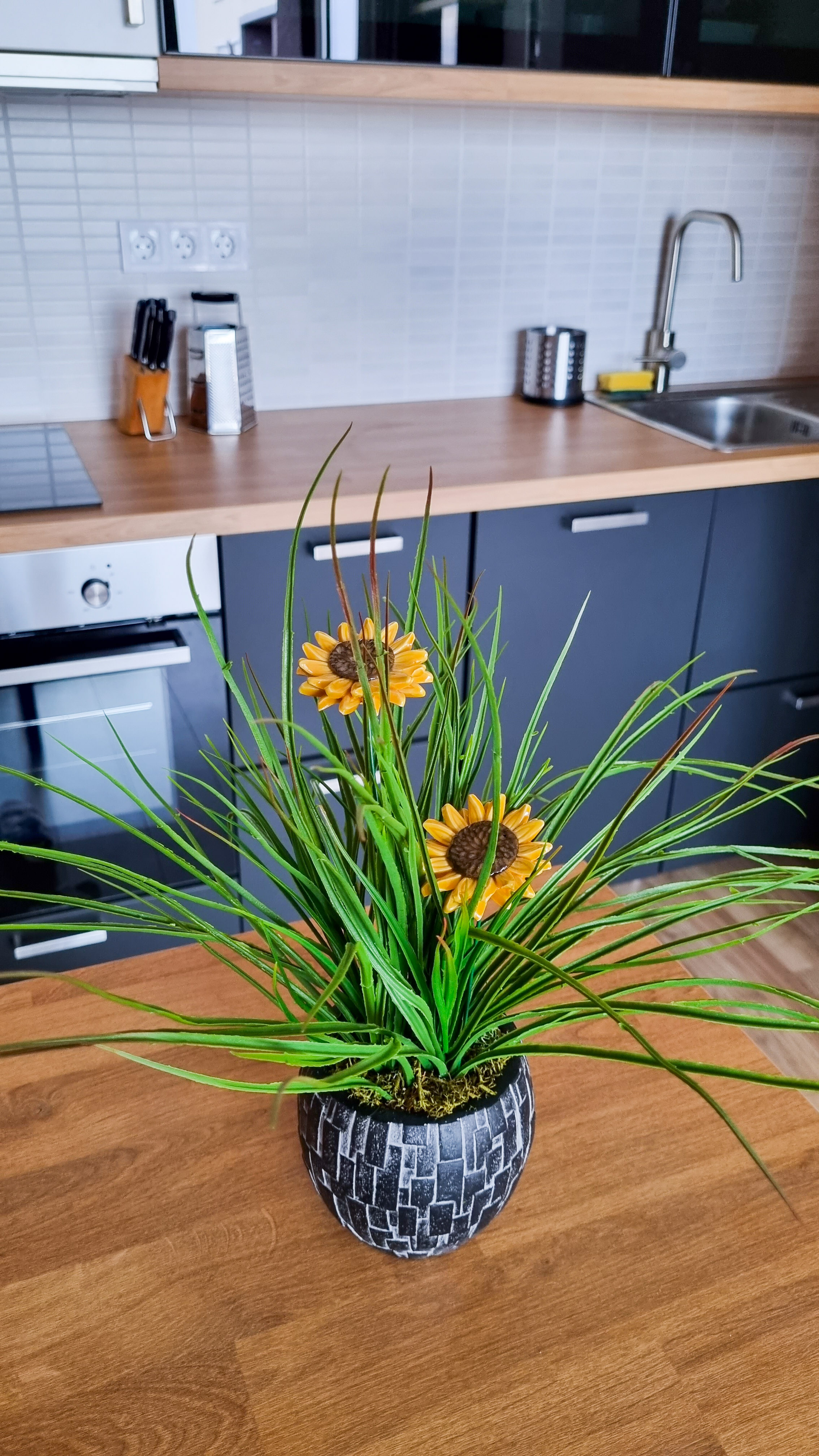
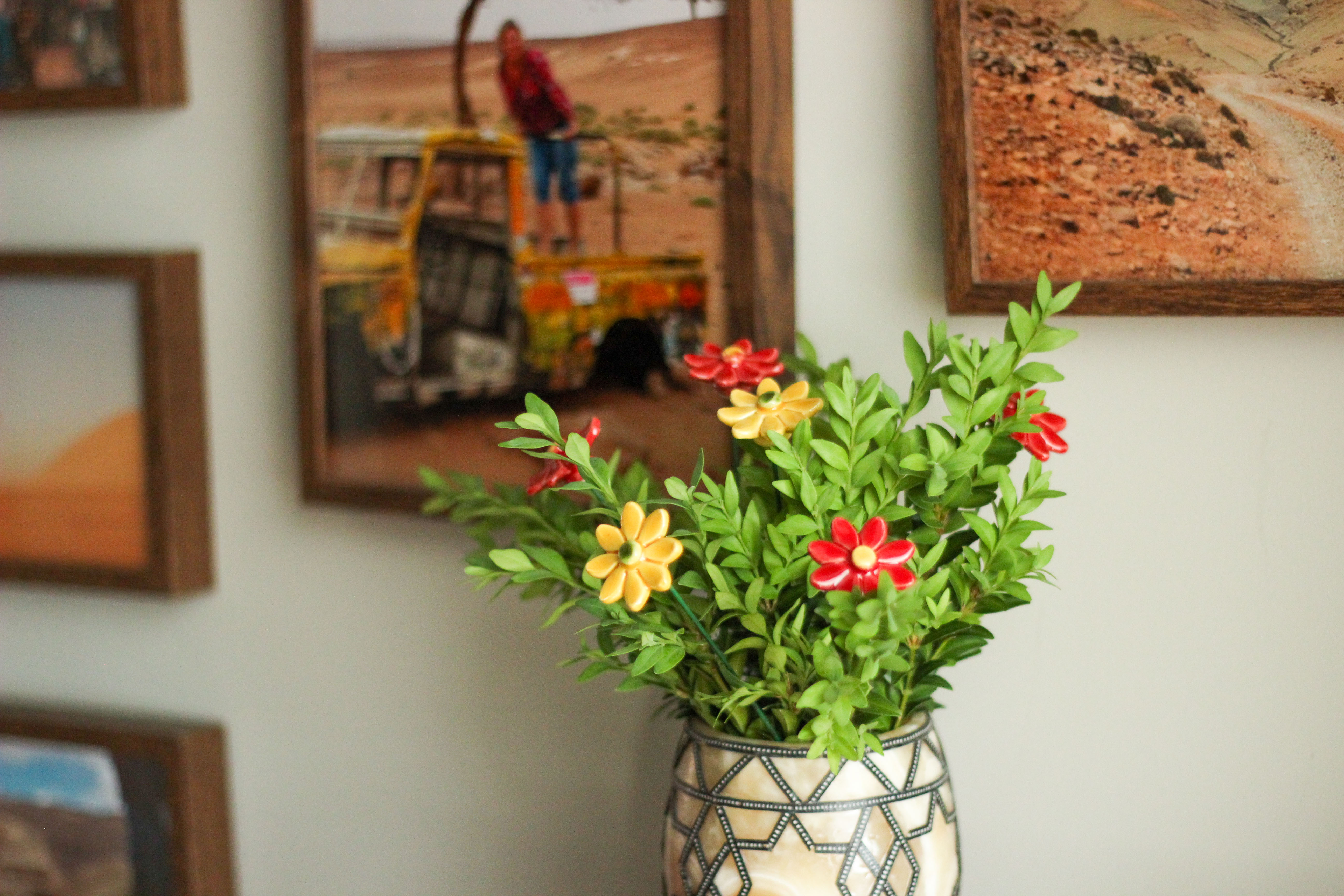
Ceramic flowers can be placed freely in any arrangement. Use them in pots, vases, or even wall-mounted plant art.
4. Examples of Ceramic and Live Plant Combinations
Table Centerpieces
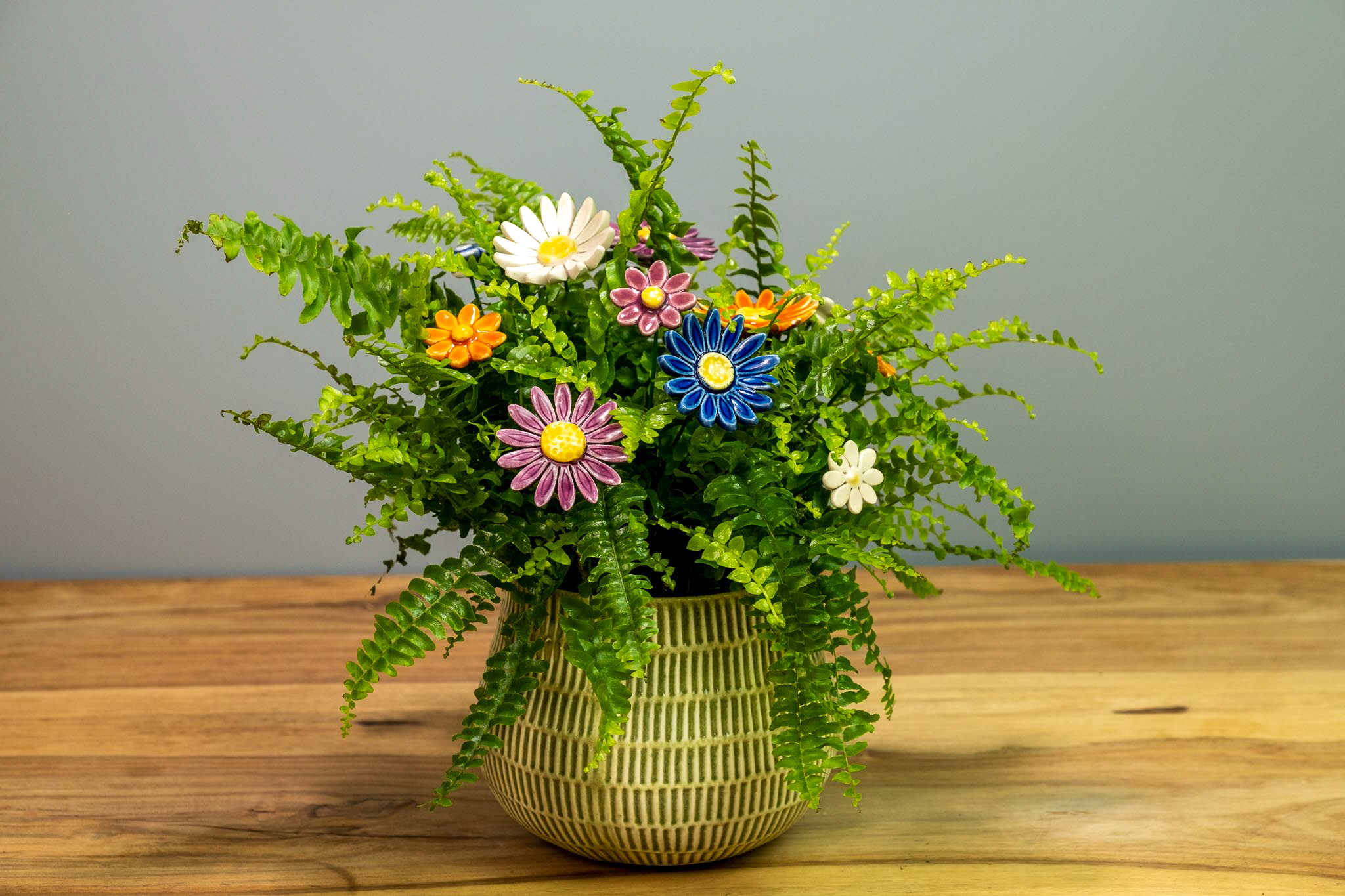
Brighten up a fresh green centerpiece with colorful ceramic flowers—try daisies or bluebells with ferns.
Garden Decorations
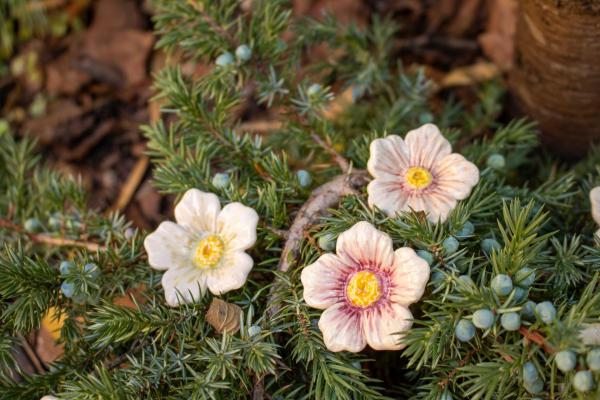
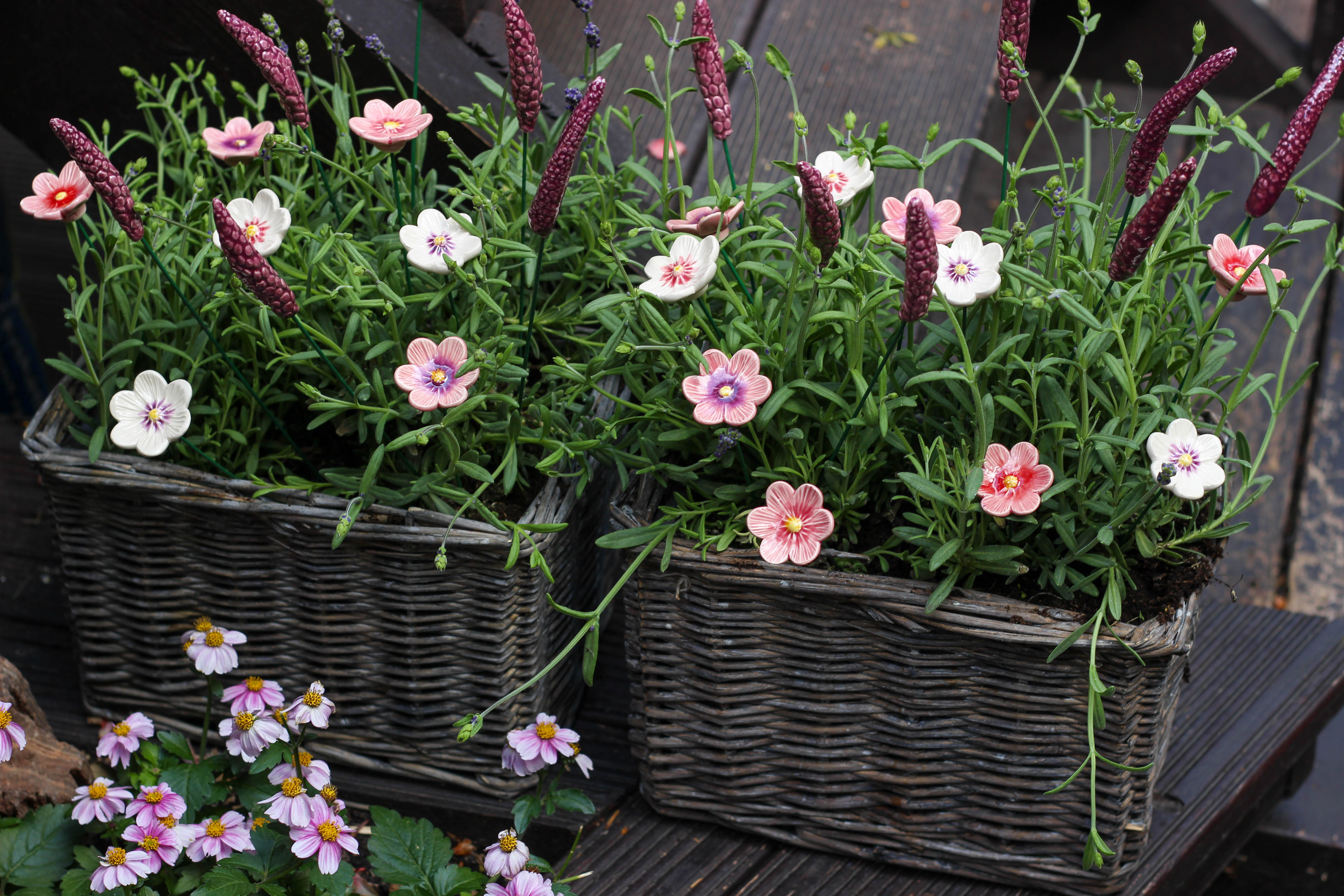
In outdoor spaces where live plants struggle, such as shady or dry areas, ceramic flowers are a great alternative.
5. The Sustainability of Ceramic Flowers
Ceramic flowers are a sustainable choice: they require no water or chemicals and retain their beauty long term. The Ceramic Flowers’ pieces are handmade from local materials, supporting an eco-conscious lifestyle.
6. How to Choose Ceramic Flowers
By Color
Pick colors that harmonize with your live plants.
By Size and Shape
Make sure the size of the ceramic flowers matches your arrangement—they shouldn’t dominate.
By Style
Whether you prefer a modern or classic look, The Ceramic Flowers offers a wide variety of styles to suit your space.
Conclusion
The combination of ceramic and live plants is both aesthetic and practical. Ceramic flowers help fill gaps, unify arrangements, and offer a sustainable way to elevate your interior décor.
The Ceramic Flowers’ handcrafted ceramic flowers are perfect additions to any plant decoration. Try them out and see how they fit your home’s style!