
The Colors of Plants and Their Meaning: Which One Suits You?
The colors of plants not only appeal to our visual senses but also affect our mental and emotional states. The psychology of colors has long been a subject of research, and people tend to feel a strong connection with emotions associated with certain colors. Flower colors, in particular, can play a significant role when decorating our homes, as colors don’t just enhance the aesthetic of a space but also shape our moods and well-being. Plants and flowers, whether live or ceramic, are the perfect tools to add color to your life. But how do you choose the right flower for you?
In this post, we’ll explore the psychological effects of different colors and how you can select a flower based on its color to make your home more harmonious and balanced. Imagine that by choosing the right colored flowers, you don’t just beautify your space, but you also positively influence your state of mind.
1. Red: Energy and Passion
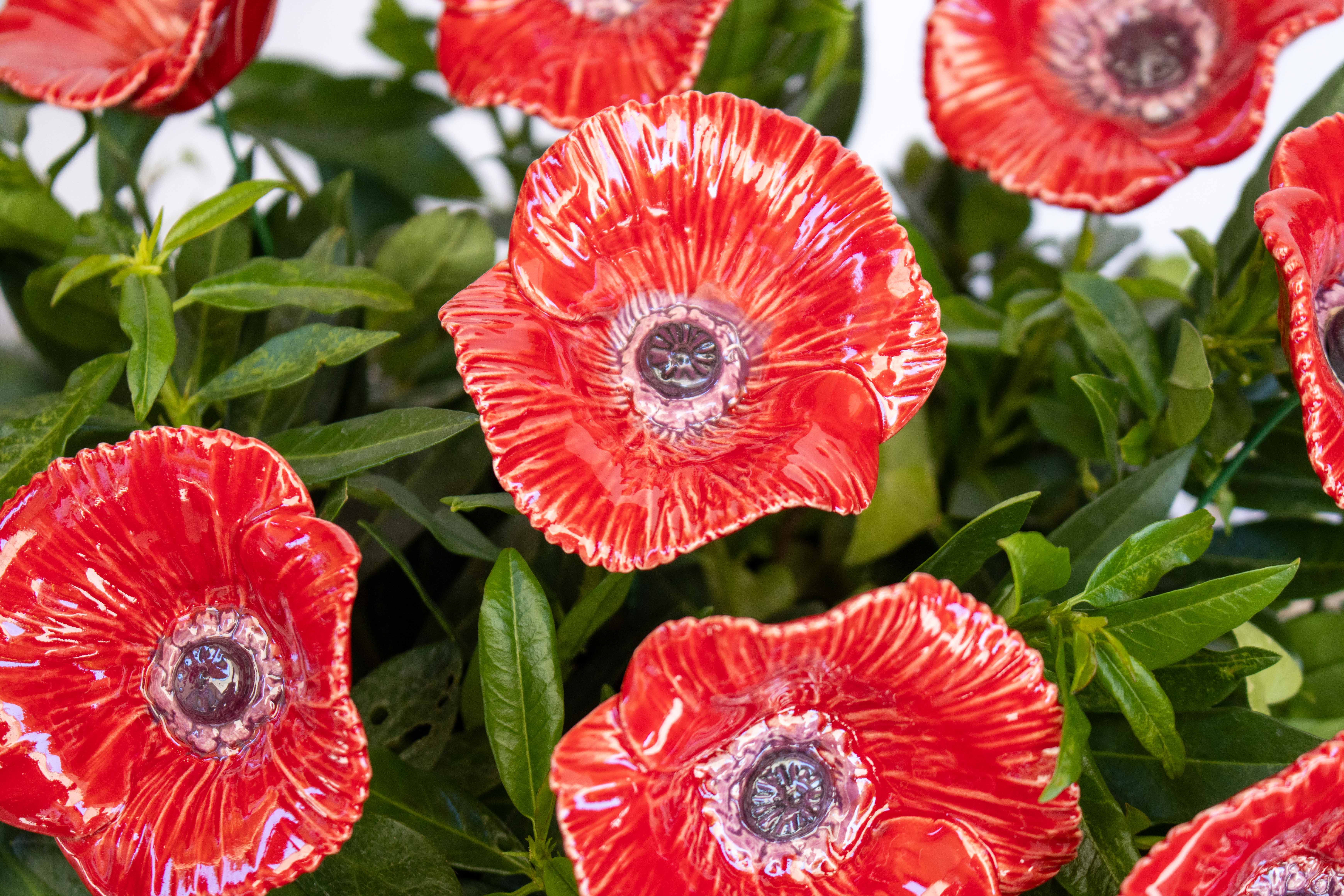
Red is the most vibrant and dynamic color, symbolizing enthusiasm, strength, energy, and passion. Red flowers, such as tulips, roses, and hibiscus, can stimulate vitality and the desire to take action. Red is energizing and attention-grabbing, making it both beautiful and impactful.
What do red flowers represent in color psychology?
Red flowers emphasize courage and passion. Choosing red flowers will add energy and life to your home. Red flowers also symbolize desire and romance, making them a perfect gift for a loved one.
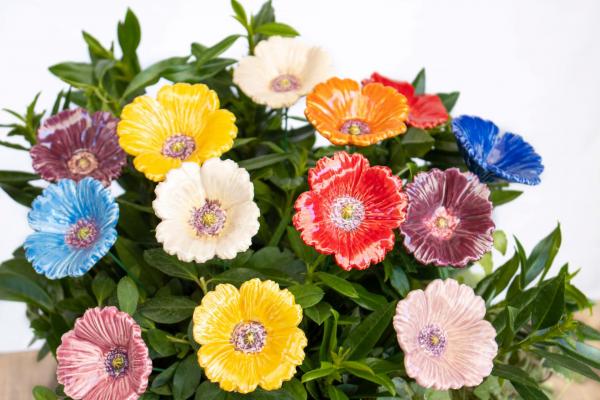
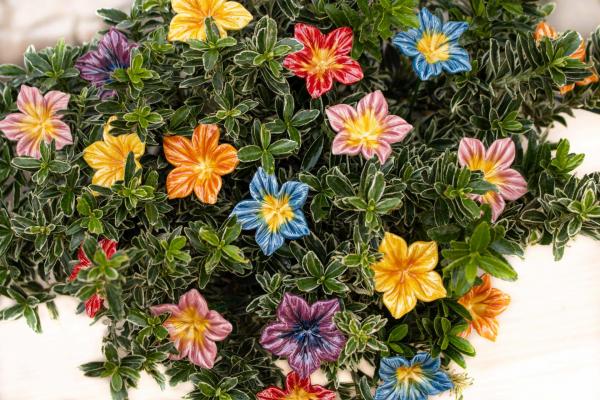
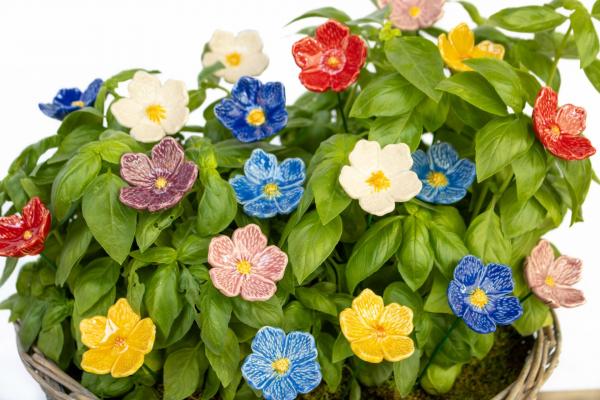
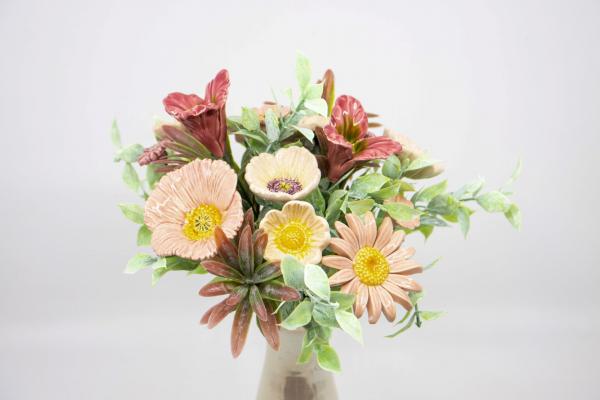
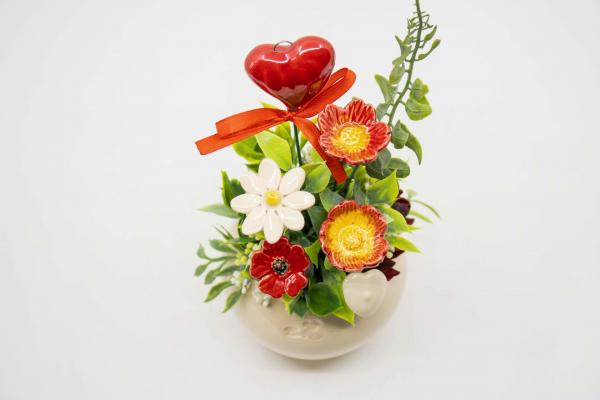
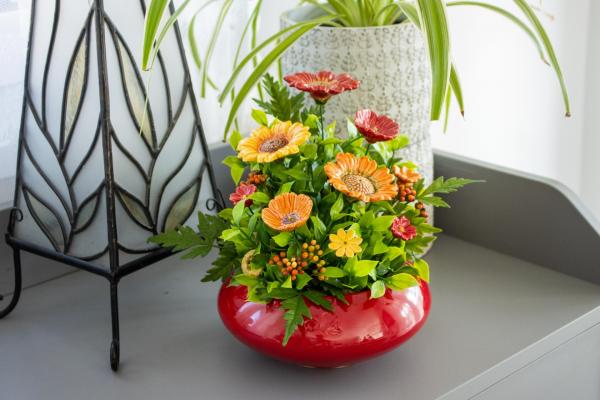
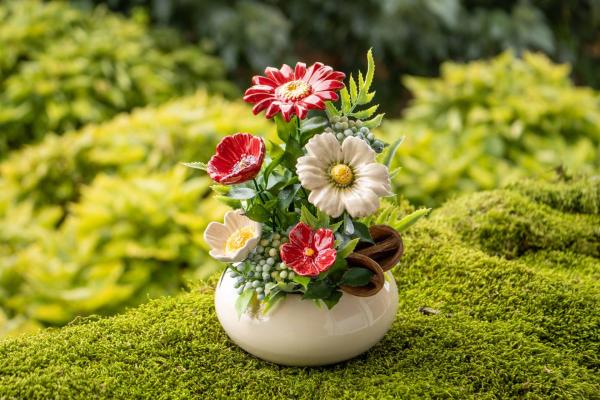
Ceramic alternative: If you want to avoid the maintenance of live red flowers, The Ceramic Flowers offers a perfect solution. Red ceramic flowers will bring the same vibrancy to your space without requiring any care. They also make a great, lasting gift for any occasion.
2. Blue: Calmness and Purity
Blue is the color of calmness and purity. Like the sky and the sea, blue flowers can help relieve stress, maintain emotional balance, and create a meditative atmosphere. Flowers like lilies and hyacinths represent harmony and tranquility.
What do blue flowers represent?
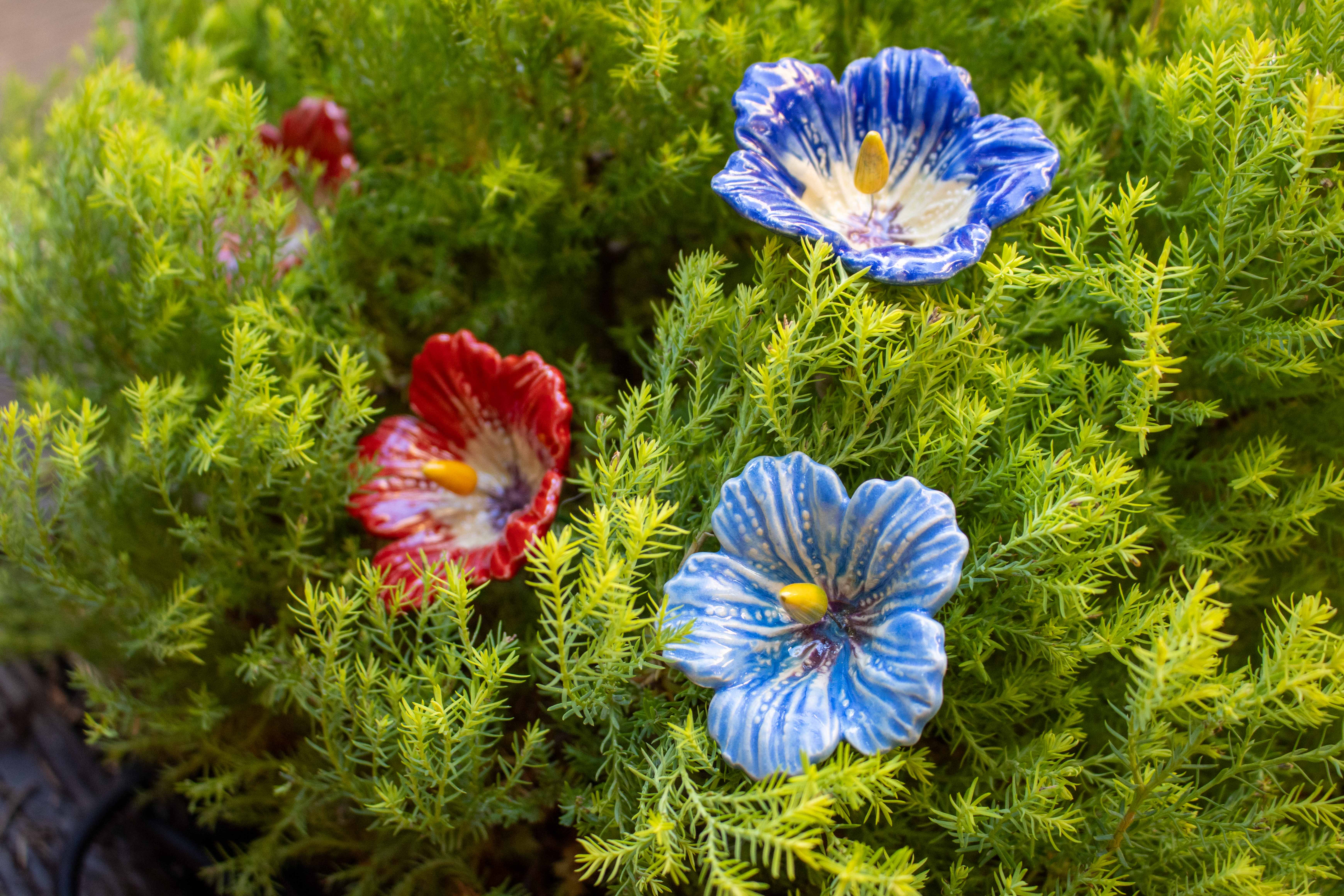
Blue promotes mental clarity and creativity while reducing anxiety. Blue flowers are ideal for creating a peaceful and relaxed atmosphere. They are perfect for bedrooms or home offices, where creativity and a calm environment are essential.
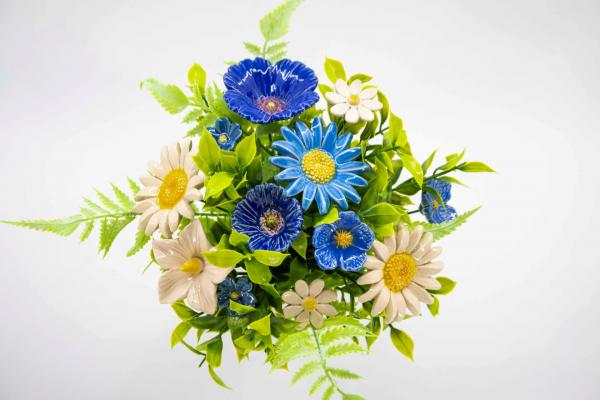
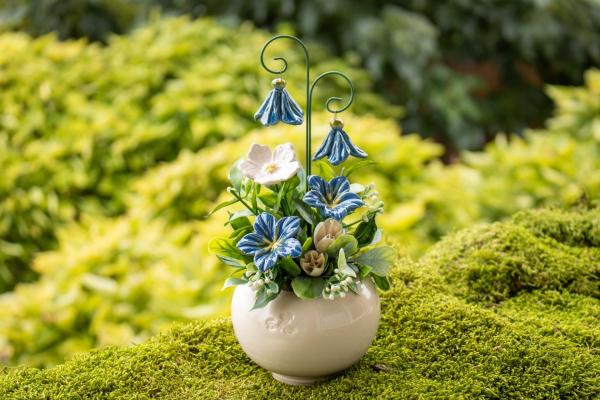
Ceramic flower alternative: The Ceramic Flowers blue flowers also contribute to a sense of calm and purity while helping reduce stress, without the need for maintenance. These decorative elements can create a relaxing ambiance in any room.
3. Green: Freshness and Balance
Green is the color of nature, representing health, freshness, and balance. Green plants like ferns, ficus, and palm trees serve to create a peaceful and serene environment. Green has a close connection to emotional healing and can help restore emotional harmony.
What does the color green represent?
Green plants help improve concentration and reduce stress. They are perfect for those who want to bring the feel of nature into their home while strengthening emotional stability. If you want a plant symbolizing growth and freshness, green flowers are the right choice.
Ceramic alternative: The Ceramic Flowers green ceramic flowers also contribute to a fresh, balanced feel, offering a decorative touch that requires no care. These green flowers will bring nature’s charm into your home.
4. Yellow: Happiness and Optimism
Yellow is the color of sunshine, happiness, and optimism. Yellow flowers, such as sunflowers and daisies, brighten up a space and radiate positive energy. The color yellow stimulates creativity and hope, making it ideal for those who want to infuse their home with joy and energy.
What do yellow flowers represent?
Yellow flowers energize and stimulate intellectual activity. If you want to bring a cheerful and positive atmosphere to your room, yellow flowers are the ideal choice. They’re perfect for living rooms, kitchens, or any space where fun and socializing are central.
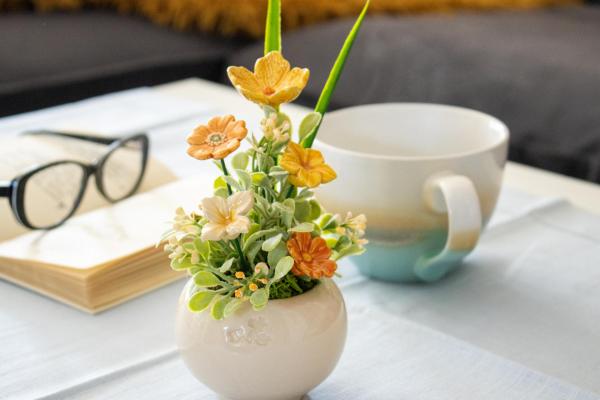
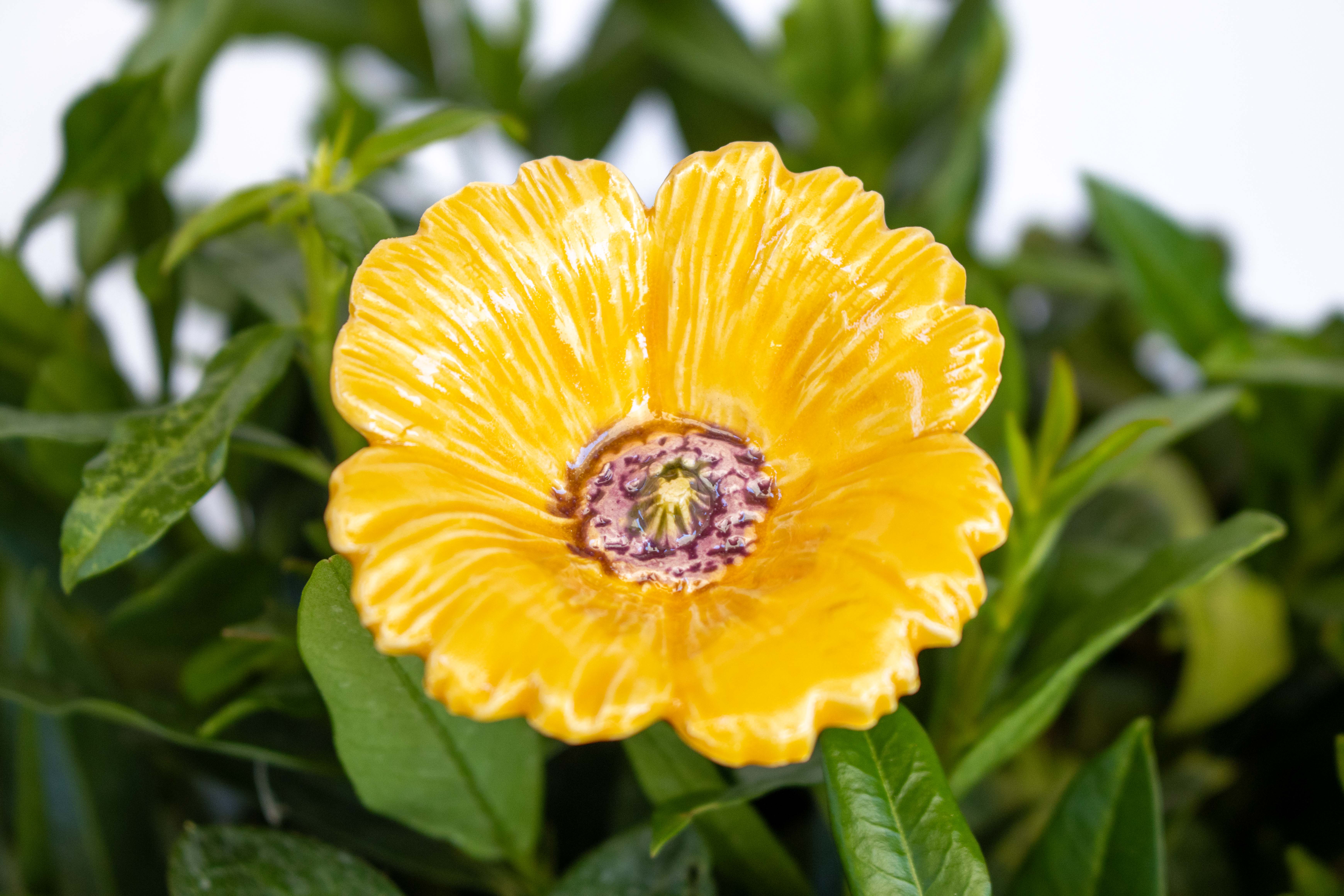
Ceramic alternative: The Ceramic Flowers yellow flowers bring the same bright, sunny vibe as their live counterparts, but without the care required. Ceramic flowers create a lively, fresh atmosphere that lasts.
5. White: Purity and Simplicity
White is the color of purity, peace, and simplicity. White flowers, like lilies, orchids, and hyacinths, symbolize a calm environment and spiritual clarity. White is also a symbol of renewal and elegance.
What do white flowers represent?
White flowers are ideal for those seeking purity and peace. They help create a harmonious, tranquil environment and offer a simple, yet sophisticated, aesthetic.
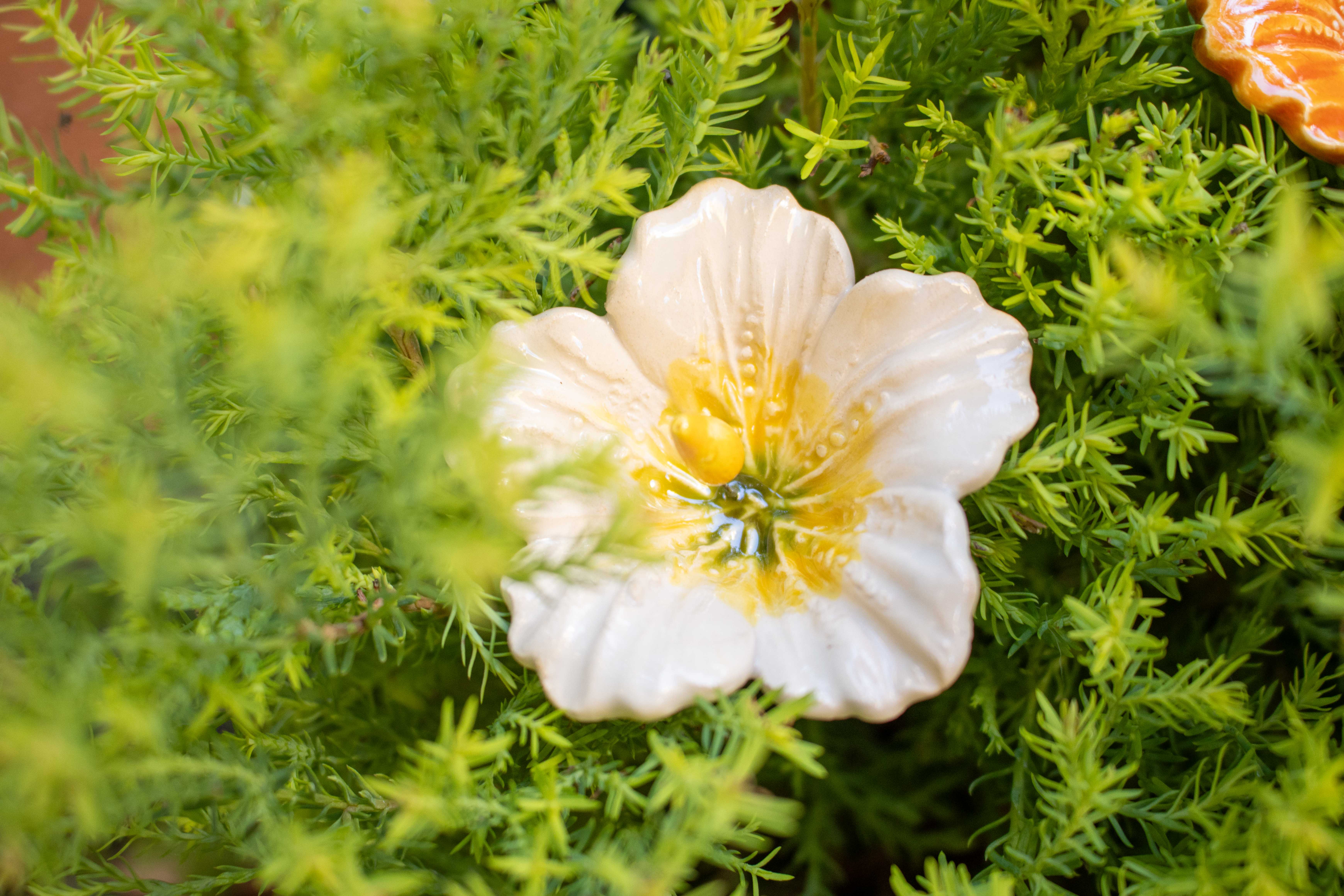
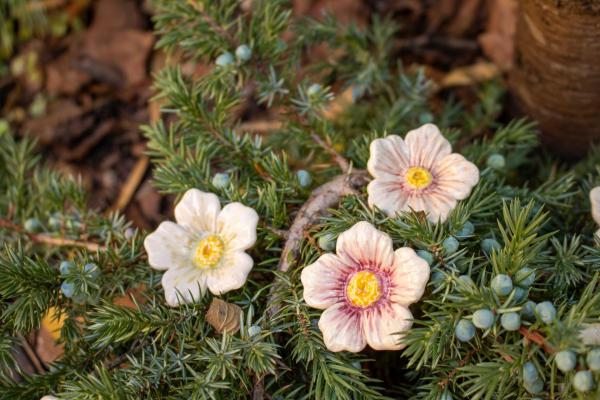
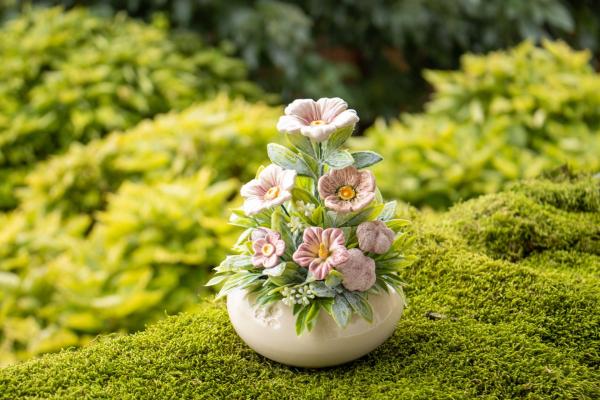
Ceramic alternative: The Ceramic Flowers white flowers offer an elegant and refined appearance while requiring no maintenance. They seamlessly fit into any interior style, from modern to classic.